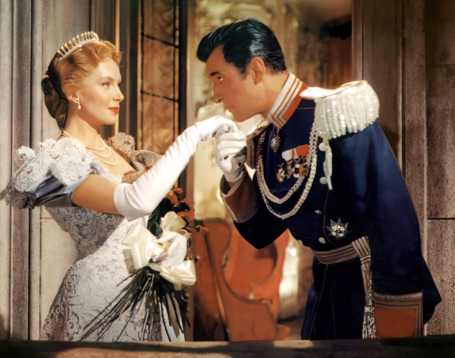
A lot of writers feel like imposters, and not in a good way, like Rudolf Rassendyll in The Prisoner of Zenda. What to do?
Imposter syndrome, obviously, is when you feel like an imposter without actually being one, or at least not on purpose. It not only makes writers feel bad, it makes them hesitate to share their work with readers—the ultimate artistic tragedy! Again, what to do?
Well, several things, but let’s start by recalibrating your expectations. Against all the evidence, we tend to believe that all successful authors write really well: far better than we do. But do they? Let’s find out!
Who’s the Imposter Now? Check out the Bottom of the Amazon Top 100 List
It’s time to take a look at successful books in your niche and see how good the worst of them are. You can do this for free with the Search Inside the Book or Kindle Free Sample features.
Obviously, if you write as well as the worst stories on the Top 100 list, you’re good enough for the Top 100 list. Maybe just barely, but good enough nonetheless. How good is that? Let’s find out.